
Every advertising team got a new colleague on 6 October. Meta’s AI can now turn a still image into a video, generate its own ad concepts and, in testing, change campaigns from a chat window. By the end of 2026, the Wall Street Journal reported, Meta wants an ad to build itself from a product image and a budget.
So the question for professionals is no longer whether the machine makes ads. It’s how you work with it without your work turning into everyone else’s.
At Milkman® we make ads and run them, so we answer that question every week. Here’s how we split the work with the machine, and the workflow we use.
What is Meta ads automation?
Meta ads automation is the shift in which Meta’s AI takes over work advertisers used to do by hand: who sees an ad, where it runs, what it costs and, increasingly, how it is edited and varied. The advertiser supplies assets, a goal and a budget. The system produces versions and decides the rest, per person, in real time.
What Meta’s AI ad tools do
Meta announced the latest tools at Advertising Week New York on 6 October 2026. Here’s what each one does, and how a professional team would use it.
Static-to-video
Part of Advantage+ creative, and now generally available. It turns still images into video. Use it to get more placements out of strong stills, especially for Reels and Stories. Don’t use it as a substitute for footage of a product that has to move, fit or pour in a particular way.
Ads Creative Studio
Rolling out to more advertisers. It shows which creative performs and why, generates new video concepts and variations, and lets you edit hooks, audio, clip length, captions and end scenes. Use it as a fast edit suite and a second opinion. The concepts it generates are a starting point for your team, not the brief.
The Meta AI business assistant
It lives in Ads Manager, now carries creative insights, and is being tested on planning campaigns and changing budgets through conversation, with previews and approvals. Use it to answer questions about the account faster. Keep the approvals with a person.
The audience side was automated earlier. How Meta’s systems pick who sees an ad is in how Meta decides who sees your ads.
Who does what: the machine and the team
The machine doesn’t replace the advertising process. It takes over parts of it. The skill now is knowing which parts.
- Audience: the machine picks who sees each ad, per person. The team gives it distinct ideas and a true conversion signal.
- Formats and placements: the machine crops, resizes and cuts per placement. The team shoots material that survives every crop.
- Versions: the machine generates video from stills and variations of concepts. The team decides which ideas are worth varying.
- Copy and hooks: the machine suggests and rewrites. The team writes the line that sounds like the brand.
- Quality control: the machine optimises for the result you chose. The team checks brand, claims and AI disclosure.
- Learning: the machine reports what performed. The team turns the results into the next brief.
Everything the machine does starts from something the team made. Meta has built the fastest photocopier in advertising. It can turn one page into a thousand. It still needs one page worth copying.
How to work with Meta’s AI ad tools: our workflow
Six steps, in the order we run them.
1. Brief the idea, not the asset list
A brief used to read “one 15-second Reel and three statics”. The machine can cut formats now. So the brief starts with the idea and the reason someone would stop for it, and leaves the cutting to the system.
2. Brief in angles, not versions
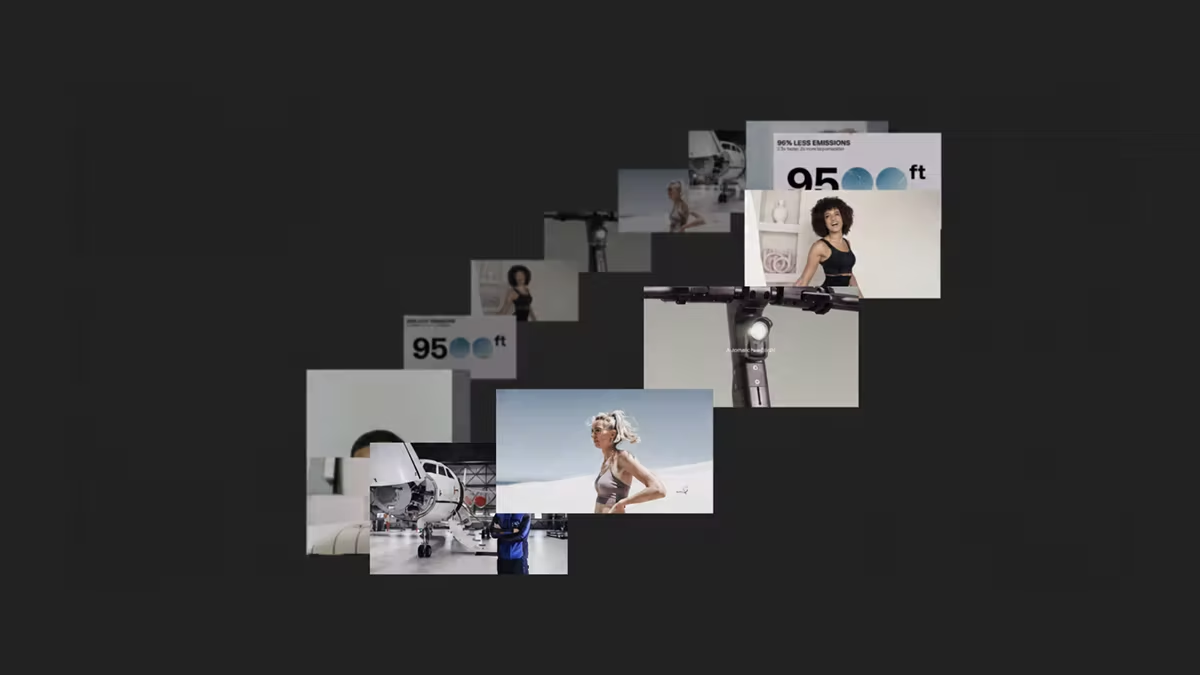
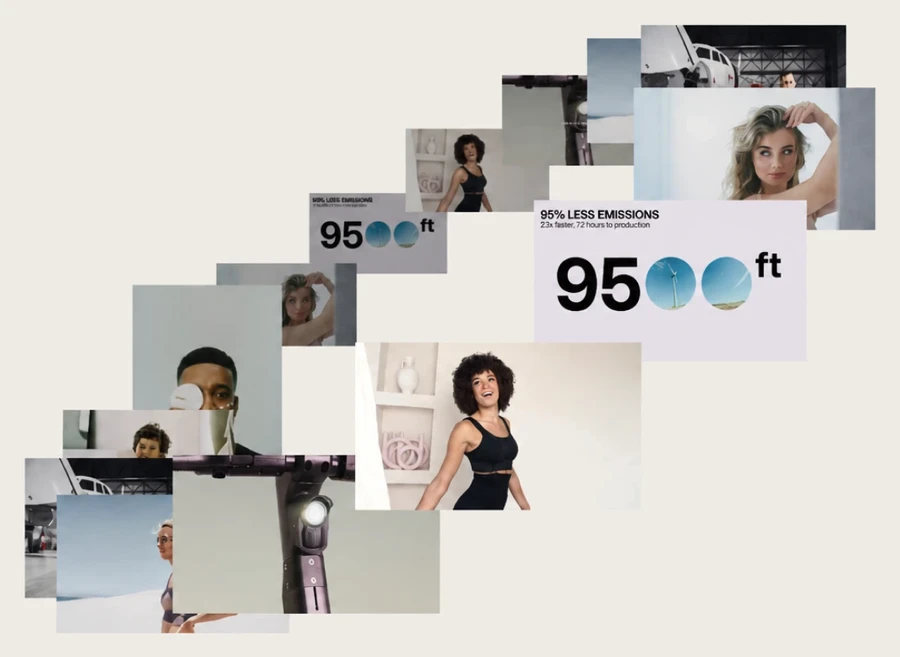
In 2024 Meta’s engineers wrote that “increased ad diversity can improve people’s experience with ads and drive better advertiser outcomes.” Diversity, not volume. Ten versions that differ by a colour or a word give the system one idea. So every round gets several genuinely different angles: a different problem, a different offer, a different person on screen, a different moment. Variations still have a job, finding the winner inside an idea. We plan both before the shoot, as in how creative variations turn one production into 24 opportunities.
3. Shoot raw material for the machine
Vertical first. Several openings per idea. The product in more than one context. Takes that run long enough to cut for 6, 15 and 30 seconds. Real people where it matters: customers, staff, the place where the product gets made. What wasn’t filmed can’t be generated into something true.
4. Set the rules before you upload
Some Advantage+ creative enhancements can be on by default, and Meta keeps adding new ones. Decide per brand which automatic edits are allowed, which get tested and which stay off, and write it into the brief so whoever builds the ad applies the same rules. Product shots, claims and regulated categories are where generated edits do the most damage.
5. Review like an editor
Check every new ad in Advanced preview, in every placement it can run in. Ask three questions: does it still say what we approved, does it still look like the brand, and does anything generated need to be identifiable as such? Under the EU AI Act, AI-generated and manipulated content has to be identifiable, with the transparency rules applying from August 2026.
6. Feed the results into the next brief
The machine reports what performed. It doesn’t decide what to make next. Read the results per idea, not per version, drop what didn’t move anyone, and brief the next round from what did. That loop is the job now. It’s also how we run the Always-On System: produce, distribute, learn, and go again with what came back.
What changes for the people doing the work
Our read, from inside the accounts we run.
Creatives
Less time making every asset by hand. More time on the idea, the source footage and the edit. When the machine produces the options, choosing becomes the craft.
Strategists
The brief carries more weight. It has to define the angles, the rules for the machine and what result would count as a win, before anything is shot.
Media buyers
Less audience building, more input management: keeping a steady supply of distinct creative in the account and making sure the conversion signal tells the truth.
FAQ
How do I use Meta’s AI ad tools without losing my brand?
Decide in advance what the tools may change. Let them adapt formats and cut versions from material you made. Keep the idea, the copy that carries the brand, and the final approval with people, and review every ad in Advanced preview before it runs.
Is Meta replacing advertising agencies with AI?
No. Meta is automating targeting, placement, bidding and a growing part of the edit. Every one of those tools works from assets the advertiser supplies. The idea, the source material and the choice between versions still come from people.
What is static-to-video in Meta ads?
A feature in Advantage+ creative that generates a video from existing still images. Meta made it generally available on 6 October 2026.
Do near-identical ad variations help on Meta?
They help you find the winner inside an idea, not reach more people. Ten versions that differ by a colour or a word are still one idea. Meta’s engineers wrote in 2024 that more ad diversity drives better advertiser outcomes.